
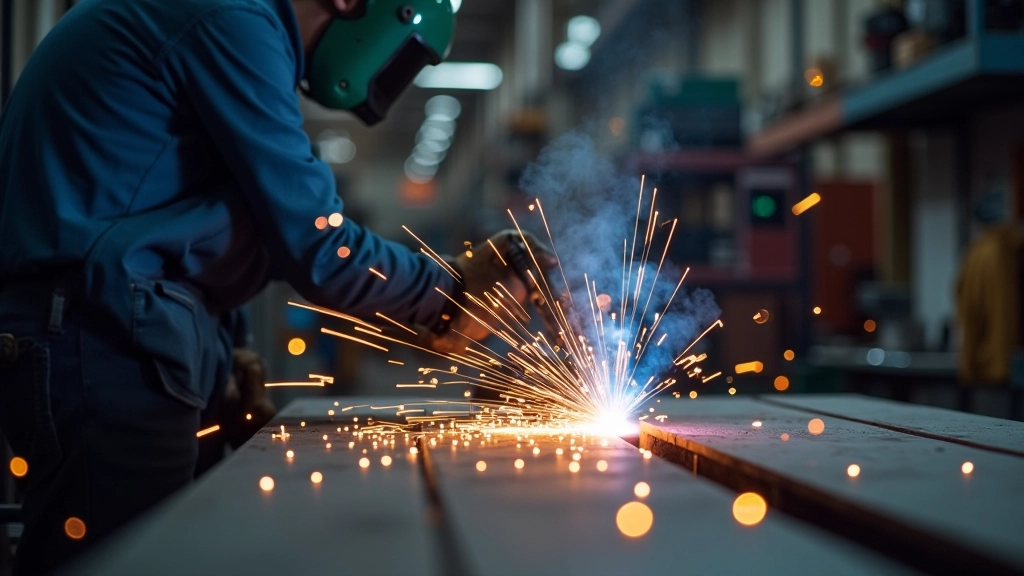
Understanding MIG Wire Specifications and Selection
A breakdown of wire diameter, material composition, and shielding gas compatibility. Learn how to match wire specifications to your equipment and material requirements.
Read MoreDifferent electrode types suit different metals and joining techniques. Learn which electrodes work best for steel, stainless, and aluminum — and why the choice matters for your finished product.
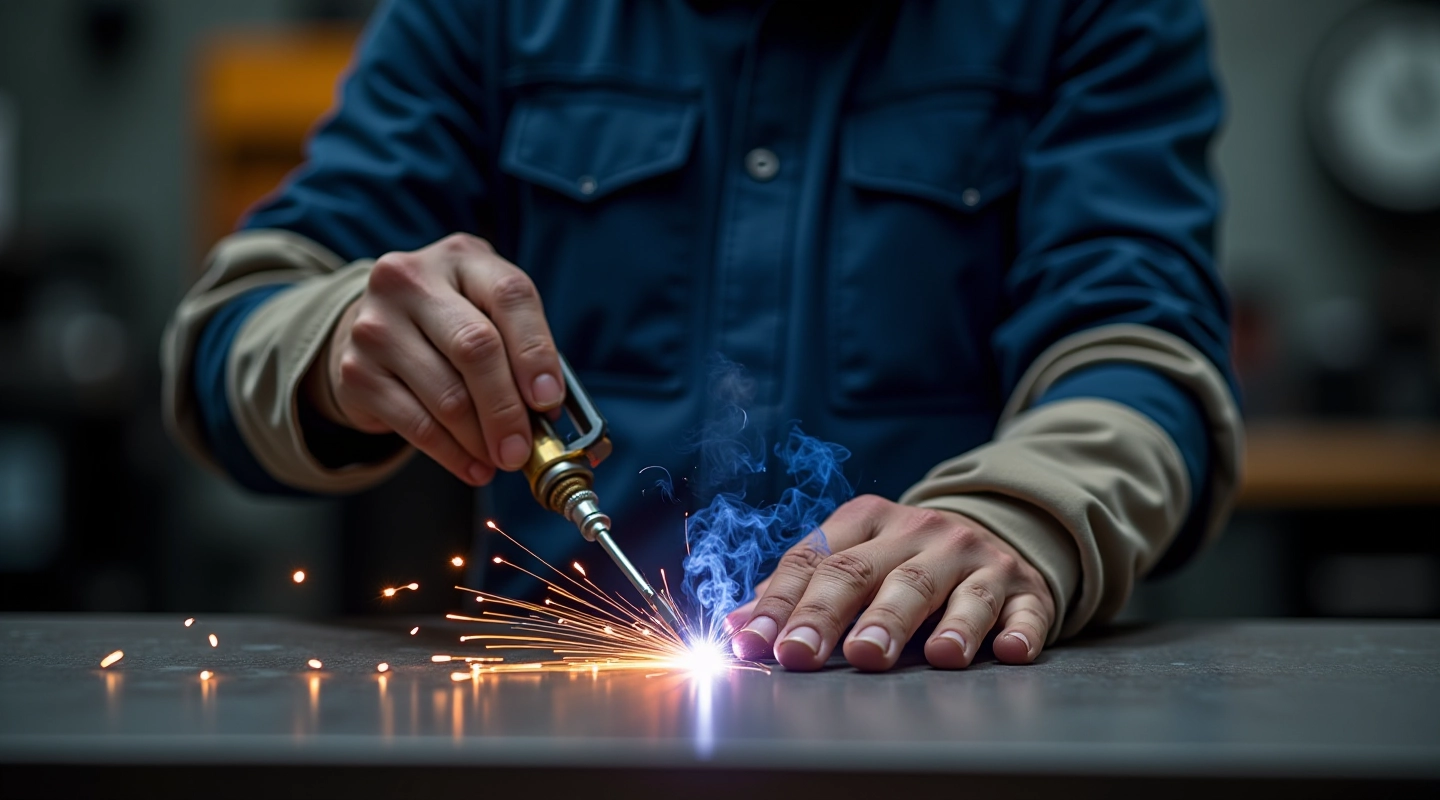
Pick the wrong electrode and you'll waste time, money, and material. It's not just about whether something melts — it's about creating joints that actually hold up under stress. The electrode you choose affects penetration depth, bead appearance, ease of removal, and the final strength of your weld.
We've worked with fabricators across Estonia and the region long enough to see the difference that proper electrode selection makes. This guide breaks down the main types you'll encounter and where they genuinely shine.
Stick electrodes have been around for decades. They're simple — flux coating, metal core, that's it. When you strike the arc, the flux melts and forms a protective gas shield while the metal core becomes your weld deposit.
The real strength here is versatility. You can weld mild steel, stainless, cast iron, and even some specialty alloys with the right electrode. They work outdoors, in windy conditions, and on dirty or rusty surfaces better than most other methods. The downside? You've got to deal with slag removal after each pass, and the duty cycle can be lower on smaller machines.
Common designations: E7018 for mild steel, E308L for stainless, E7015 for positional work. The first two digits tell you the tensile strength — E70 means 70,000 PSI minimum.
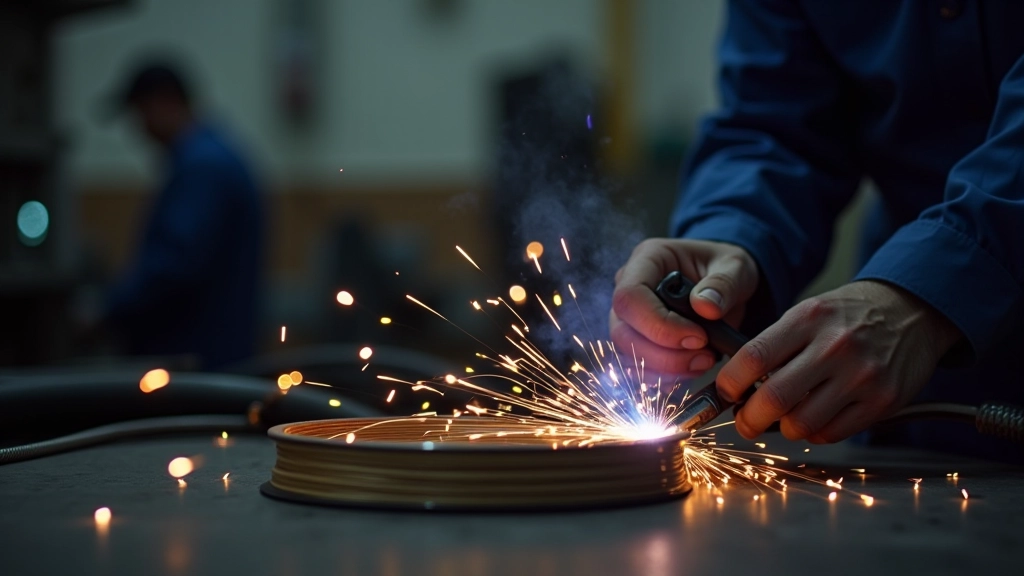
MIG (Metal Inert Gas) welding uses a continuous wire feed. No slag to remove. No stopping to change electrodes every few inches. You get faster deposition rates and cleaner joints — which is why fabricators doing production work love it.
The catch? MIG works best on thinner materials and mild steel. Wind will blow the shielding gas away, which ruins your weld. Rusty or contaminated surfaces cause porosity. And you need to dial in your voltage and wire speed correctly — when it's wrong, it's really wrong.
Wire diameter matters too. Most shops use 0.030" or 0.035" for general work, but 0.023" gives you tighter beads on thin material, and 0.045" handles thicker sections faster.
TIG (Tungsten Inert Gas) welding separates the electrode from the filler metal. You hold a tungsten electrode that creates the arc, and feed filler rod separately — like stick welding but with independent control. It's the most precise method available.
This approach shines with aluminum, stainless steel, and thin-wall tubing. You get beautiful, clean welds without slag. The downside? It's slow. You're essentially drawing the bead manually, and the learning curve is steep. You'll also need a foot pedal to control amperage, which takes practice.
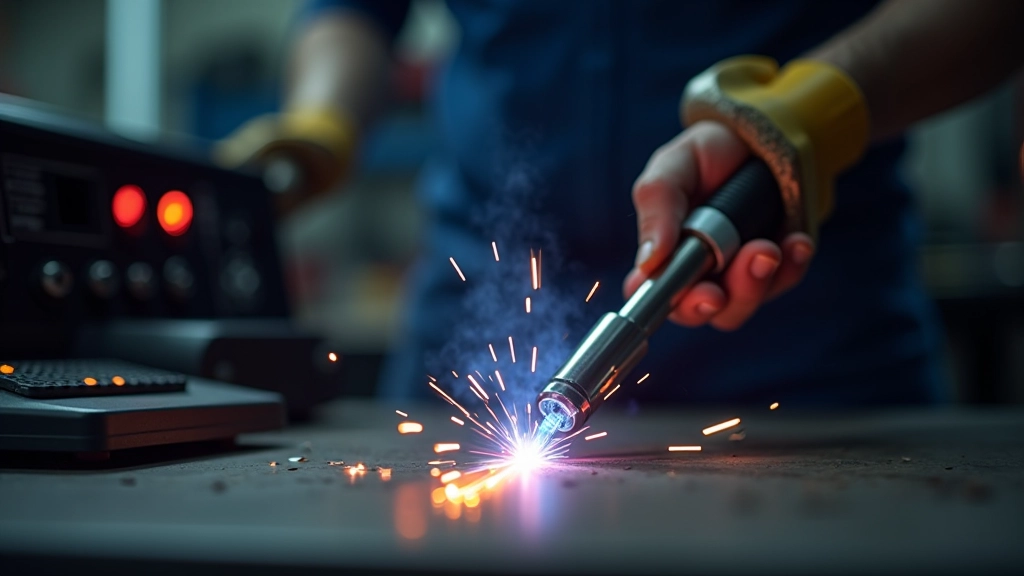
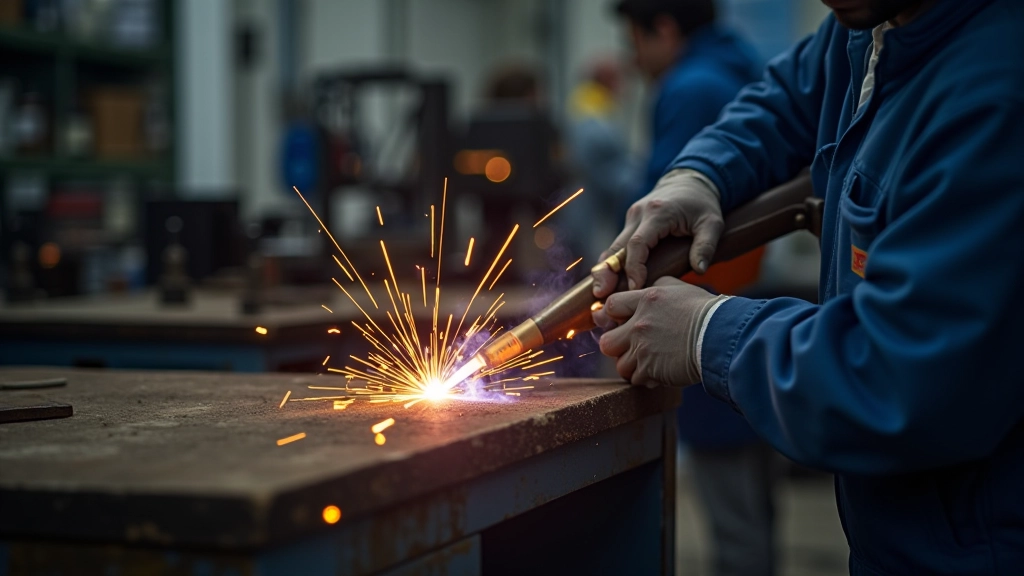
Flux-cored wire combines the speed of MIG with the outdoor capability of stick electrodes. The wire has flux inside the tubular design, which creates its own shielding gas as it melts. You don't need external gas (though you can use it for better results).
This is your tool for thick sections, heavy structural work, and outdoor fabrication. The arc is powerful, penetration is deep, and you'll lay down material fast. But there's more cleanup — slag forms on top of the bead — and the learning curve is steeper than standard MIG.
Fabricators doing bridge work, heavy equipment repair, or offshore applications reach for flux-cored regularly. It's also your best choice when budget is tight because self-shielded wire doesn't require a gas bottle.
The best electrode isn't always the fanciest one or the most expensive. It's the one that matches your material, your environment, and your equipment. A master fabricator will have stick electrodes for repair work outdoors, MIG wire for production runs on mild steel, TIG equipment for visible work on stainless, and flux-cored capability for heavy structural jobs.
Start by knowing what you're joining. Steel? Stainless? Aluminum? Then consider your conditions — indoors or outdoors? Thick or thin material? Clean surfaces or rusty ones? Finally, match that to your available equipment and skill level. You'll find that electrode selection becomes instinctive once you've done it a few times.
If you're sourcing consumables wholesale, having reliable stock of the right electrode types ensures you're never stuck when a job comes in. That's where knowing the differences actually pays off.
Editorial Team
Written by the veltrshore editorial team, focused on practical, transparent guidance for welding consumable sourcing.
This article provides general educational information about electrode types and their applications. Specific welding techniques, material compatibility, and equipment requirements vary based on individual circumstances, manufacturer specifications, and local safety regulations. Always consult equipment manuals, material data sheets, and relevant safety standards before beginning any welding project. For specific technical guidance on electrode selection for your application, we recommend consulting with welding professionals or equipment manufacturers directly.
A breakdown of wire diameter, material composition, and shielding gas compatibility. Learn how to match wire specifications to your equipment and material requirements.
Read More
Humidity, temperature, and storage conditions directly affect consumable performance. Learn proper storage techniques to maintain electrode quality and extend shelf life.
Read More
Balancing quality with volume purchasing doesn't mean cutting corners. Learn how to evaluate consumables, negotiate pricing, and build supplier relationships that work.
Read More