

Understanding MIG Wire Specifications and Selection
A breakdown of wire diameter, material composition, and shielding gas compatibility to help you choose the right consumables for your projects.
Read MoreHumidity, temperature, and storage conditions directly affect consumable performance. Discover how proper storage extends shelf life and prevents quality degradation in your workshop inventory.

You've invested in quality welding supplies. But here's the thing — even the best wire and electrodes will underperform if they're stored wrong. Temperature swings, moisture absorption, and poor organization don't just waste money. They affect your welds.
We're talking about inconsistent arc stability, porosity in your joints, and brittle connections. The good news? Storage isn't complicated. It's about understanding what your consumables need and creating a system that works for your space. That's what we'll cover here.
Moisture is your biggest enemy. Flux-cored wires, stick electrodes, and solid wires all absorb humidity from the air. When moisture gets trapped inside, it causes spatter, porosity, and weak bonds. You'll notice it immediately — your arc becomes unstable, and the bead won't flow smoothly.
The target is 30-50% relative humidity. That's not extreme. You're looking for a dry environment, but not desert-dry. If you're in Estonia with our humid summers, this matters even more. A simple hygrometer (around €15-25) tells you exactly what you're dealing with. No guessing.
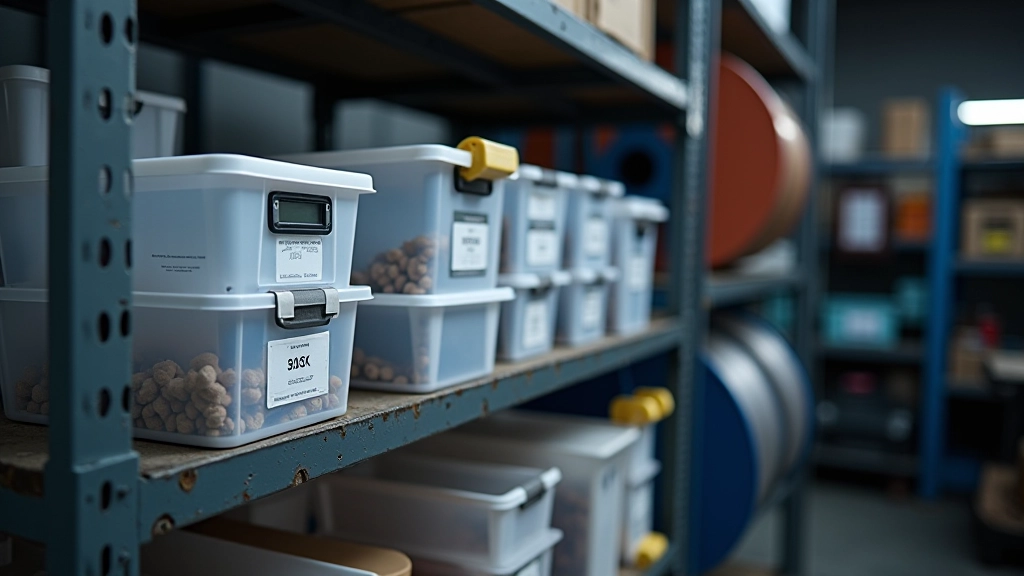
Sealed storage containers are your friend. Plastic bins with tight-sealing lids, silica gel packets, and labels showing the date opened — these basics add up. Once you open a spool of wire, use it within a few weeks. Don't let it sit exposed.
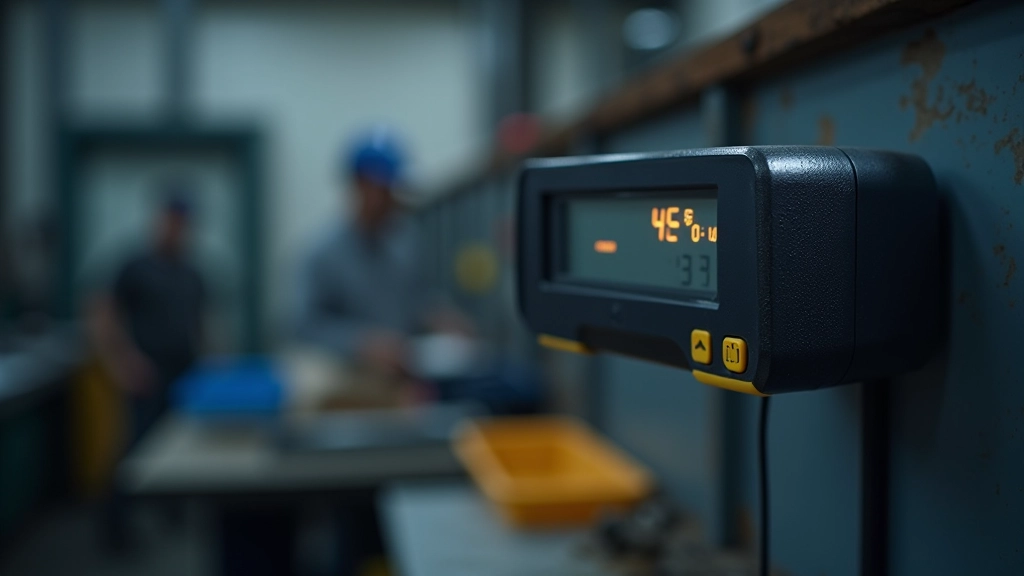
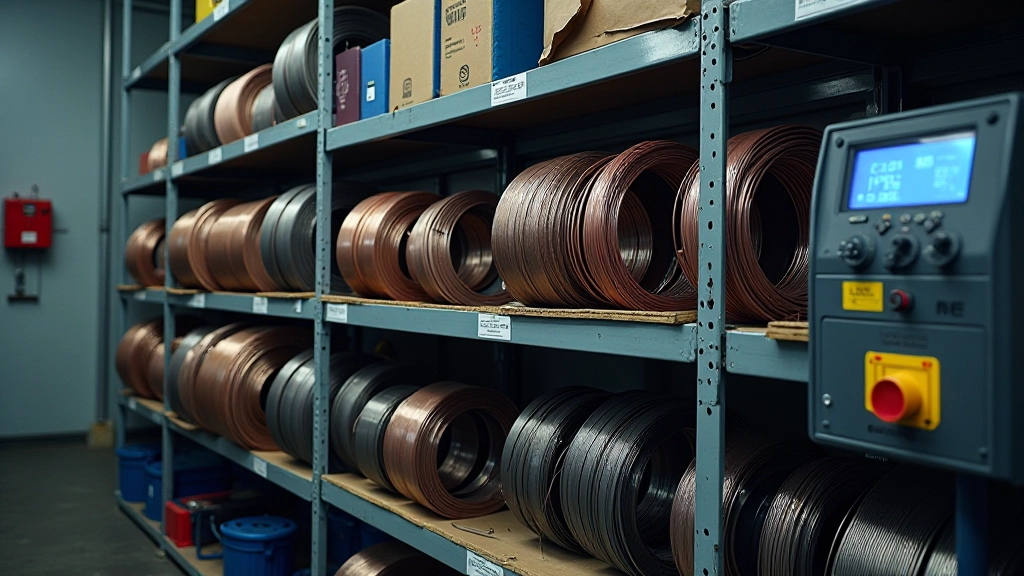
Temperature swings hurt consumables. When your storage area goes from 5°C in winter to 25°C in summer, the material inside those spools expands and contracts. This creates tiny gaps where moisture sneaks in. It's not about keeping everything cold — it's about keeping it stable.
Aim for 15-25°C. That's comfortable room temperature, nothing fancy. If you're working in a shop without climate control, insulation helps. Even a simple foam-lined cabinet creates a buffer against extreme swings. The investment pays for itself in prevented wire degradation.
Never store consumables near heat sources, direct sunlight, or doors that open to the outside frequently. That's a recipe for temperature chaos. Your storage space should feel stable and predictable. Check the temperature regularly — another €10 thermometer does the job.
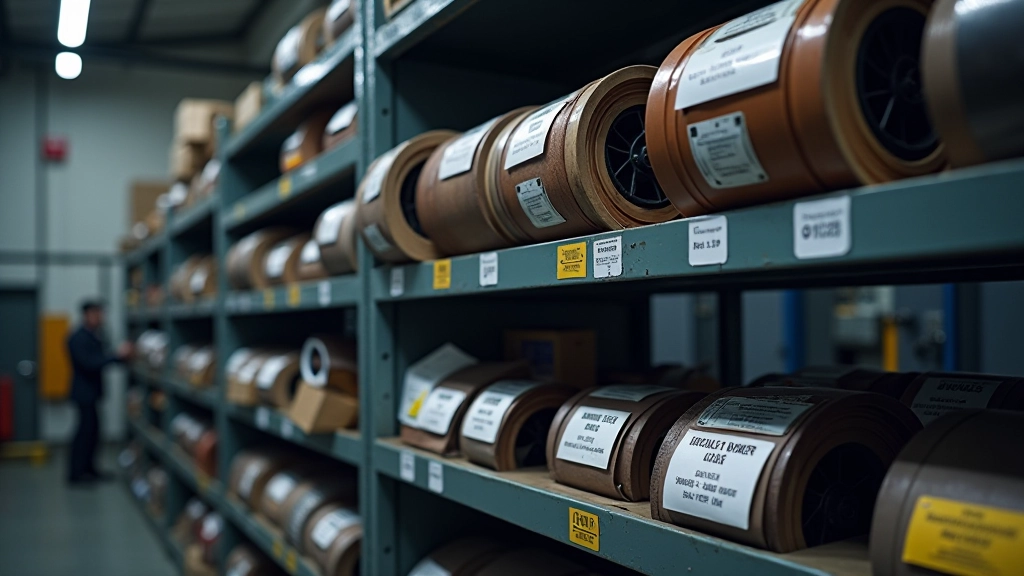
First in, first out. It's simple but essential. When you receive new consumables, don't just stack them on top of old stock. Rotate everything. Use what you bought first before opening fresh spools. This prevents old material from sitting unused until it's worthless.
Label everything with the date received. Permanent marker on the spool or container takes 10 seconds. When you grab wire for a job, you'll know exactly how old it is. Consumables older than 2-3 years in storage deserve extra scrutiny — test a small section before committing to a critical weld.
Keep an inventory sheet. Yes, actual paper or a spreadsheet. Track wire type, quantity, date received, and where it's stored. You'll spend less time hunting for materials and more time actually welding. It also helps you spot which consumables you use most, so you can adjust ordering.
Mark date received immediately on every spool or container.
Older stock at the front, new deliveries toward the back.
Check humidity and temperature weekly, record it.
Use oldest inventory first, replace with new deliveries.
Different materials have different needs. Stick electrodes aren't the same as solid wire, and flux-core has its own quirks. Understanding these differences means you're not storing everything the same way.
These absorb moisture quickly through their flux coating. Store in sealed containers with silica gel. Once opened, use within a week. If they sit too long, you'll get porosity and weak connections. Bake them in an oven at 250°C for 30 minutes to drive out moisture if you're not sure about storage conditions.
Less sensitive to humidity than stick, but still vulnerable. Keep spools on proper storage racks that prevent deformation. Don't let them sit loosely — warped wire causes feeding issues. Protect from dust and debris. Once opened, use the spool within a couple of months.
This is the moisture sponge. Treat it like stick electrodes — sealed storage with silica gel. The flux absorbs humidity aggressively. Store in cool, dry conditions. If it's been exposed to humid air for more than a few days, test a sample before using it on important work.
Aluminum oxidizes quickly, especially if exposed to moisture. Keep in sealed bags or containers. Store separately from steel wire to avoid cross-contamination. Use within 6 months of opening. Check for surface oxidation before using — if the wire looks dull or discolored, it's not safe for critical welds.
You don't need an expensive system. Most workshops work with simple solutions that cost less than €150 to set up properly.
"The best storage system is one you'll actually use. Complicated setups get ignored. Simple wins."
Start with sealed plastic storage bins (€10-20 each). Add silica gel packets (€5-10 for a pack). Get a digital hygrometer and thermometer (€20-30 total). Use metal shelving racks (€40-60 if you don't have them). Label everything with a permanent marker. Keep a simple spreadsheet or notebook tracking what you have.
That's it. You've got a functioning system. If your workshop is particularly humid or experiences temperature swings, consider a small dehumidifier (€50-100). It's not glamorous, but it works. The key is consistency — check conditions weekly, rotate stock monthly, and replace silica gel when it's saturated.

Editorial Team
Written by the veltrshore editorial team, focused on practical, transparent guidance for welding consumable sourcing.
You're not overthinking this. Proper storage is straightforward maintenance. It's the same mindset you'd apply to maintaining welding equipment — you take care of it, and it takes care of you.
Control humidity between 30-50%. Keep temperature stable around 15-25°C. Rotate stock using FIFO. Label everything with dates. Use sealed containers with silica gel for sensitive materials. Check conditions weekly. That's the whole system.
Start implementing these practices this week. You'll notice fewer consumable failures, less wasted material, and more consistent welds. It's not complicated — it's just intentional. And that makes all the difference.
This article provides general guidance on welding consumable storage based on industry best practices. Storage conditions and requirements may vary depending on specific product types, manufacturer recommendations, and local environmental factors. Always refer to the material safety data sheets and manufacturer guidelines for your specific consumables. Environmental conditions in your workshop should be monitored and adjusted based on actual measurements. Results may vary based on implementation and specific circumstances.
A breakdown of wire diameter, material composition, and shielding gas compatibility to help you choose the right consumables for your projects.
Read More
Different electrode types suit different metals and joining techniques. Learn which electrodes work best for specific applications.
Read More
Balancing quality with volume purchasing doesn't mean cutting corners. Learn how to optimize your consumable sourcing strategy.
Read More