

Understanding MIG Wire Specifications and Selection
A breakdown of wire diameter, material composition, and shielding gas compatibility. Learn what ER70S-2 actually means and when to use different wire types for different metals.
Balancing quality with volume purchasing doesn't mean cutting corners. Learn how metalwork shops evaluate supplier reliability, negotiate bulk orders, and maintain consistent weld quality on budget.
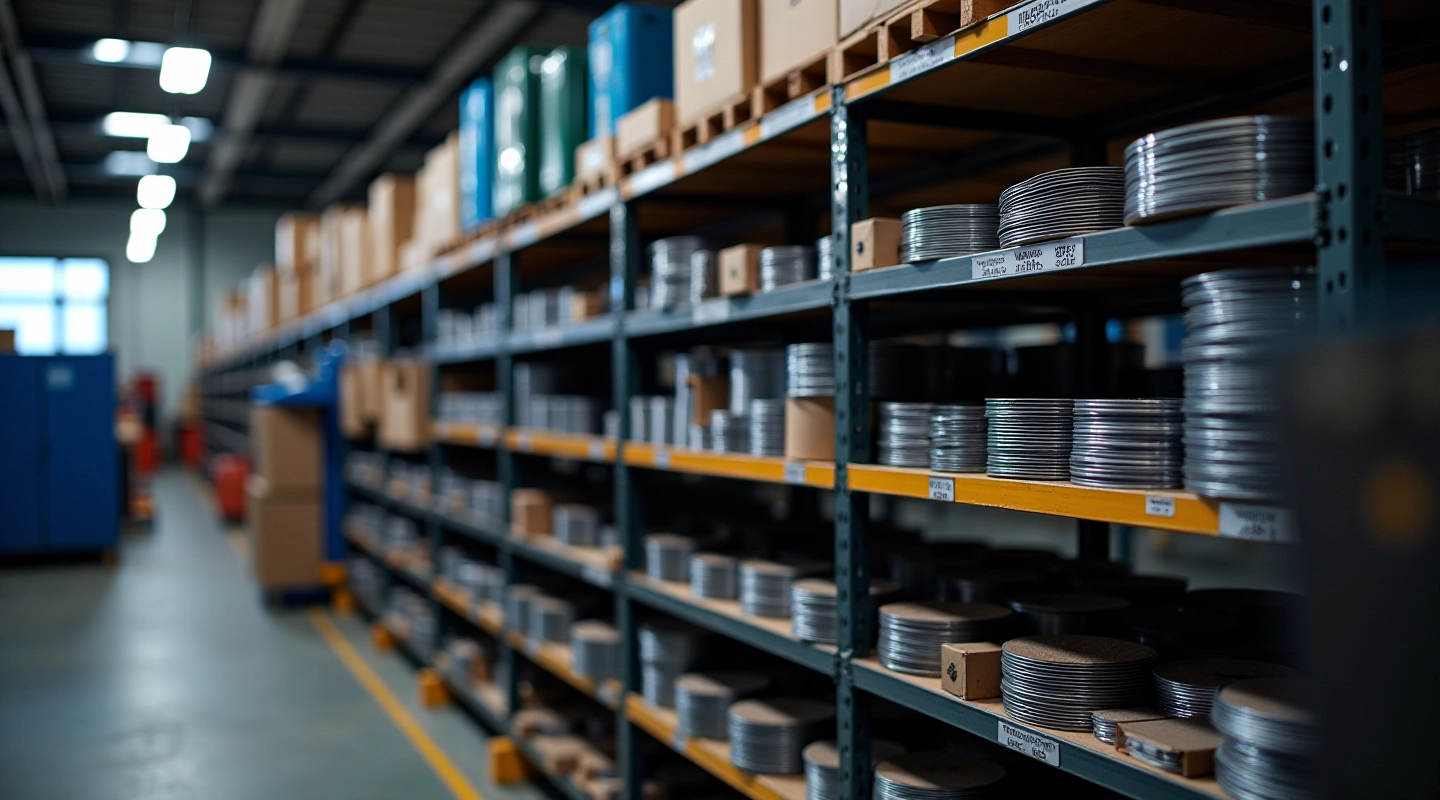
You're running a metalwork shop. Your MIG wire costs money, your electrodes add up quick, and shielding gas isn't getting cheaper. So you look at bulk purchasing — maybe cut costs by 15-20% per order. Sounds good, right? But here's the thing: cheaper isn't always better if it means dealing with inconsistent quality or unreliable suppliers.
The real skill isn't finding the cheapest consumables. It's finding suppliers who understand your needs, deliver reliably, and price fairly for the volume you're actually buying. We've seen shops spend years chasing rock-bottom prices only to waste time troubleshooting weld defects, dealing with backorders, and managing supplier drama. It's not worth it.
This guide walks you through the actual process: how to evaluate suppliers before you commit to bulk orders, what questions to ask about storage and handling, how to negotiate without sacrificing quality, and how to structure your purchasing to maximize savings while keeping your weld quality consistent.
Bulk purchasing is only smart if the supplier's reliable. You don't want to place a big order and then wait three weeks for delivery, or receive material that doesn't meet spec. It's happened to shops we know — they saved 10% on unit cost and lost 20% of their margin on delayed projects.
Start by asking suppliers these specific questions: How long have they been supplying welding consumables? What's their typical lead time for standard items like ER70S-2 wire or 6010 electrodes? Can they handle a reorder within 5 business days? Do they have stock on hand, or are they drop-shipping from a distributor? You'll want direct suppliers, not middlemen, because you need consistent inventory control.
Ask for references from other metalwork shops — not just companies, but shops similar to yours in size. Call them. Ask if they've had delivery issues, if quality's been consistent, if the supplier actually supports them when problems come up. Most shops are willing to give honest feedback. That's worth more than any glossy brochure.

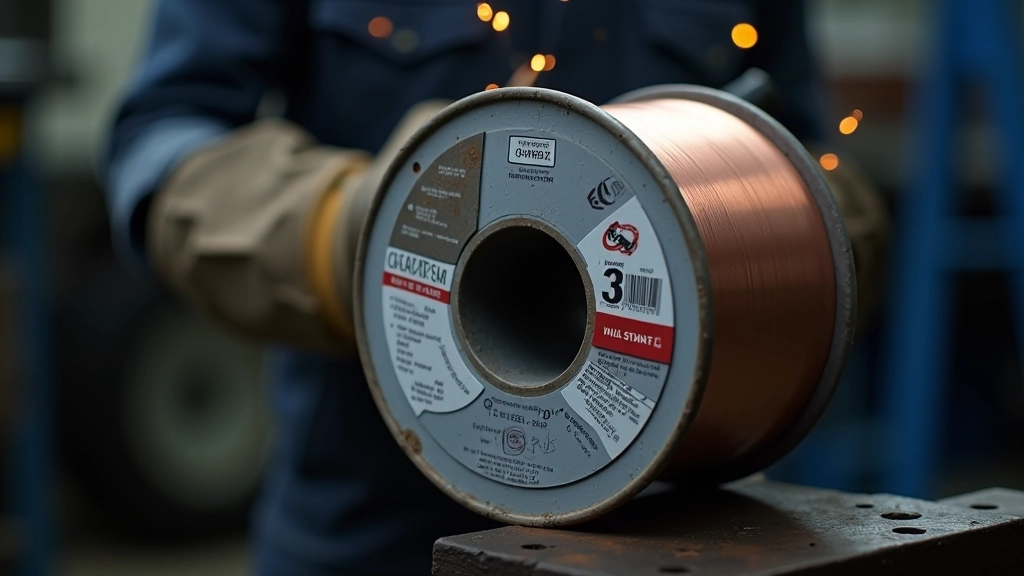
Volume discounts are real. A 25kg spool of ER70S-2 costs less per kilogram when you buy five spools than one. But here's where shops get confused: cheaper doesn't mean the supplier changed the wire composition. The discount comes from reduced handling and packaging costs on their end. Material spec stays the same.
That's the critical distinction. You're not buying inferior wire. You're buying the same AWS A5.18 certified material at a lower price because you're buying it efficiently. So don't negotiate by asking for cheaper wire — negotiate by buying smarter quantities.
Calculate your actual consumption first. How much ER70S-2 does your shop use monthly? If it's 40kg, don't order 100kg just because there's a bulk discount. You'll spend money storing it, and it'll start degrading before you use it. Instead, order 40-45kg monthly at the volume rate. That's how you get the discount without inventory bloat.
Some suppliers offer tiered pricing: orders over 50kg get 8% off, over 100kg get 12% off. Know your actual numbers before you negotiate. You'll have better conversations with suppliers if you're ordering realistic quantities they can actually fulfill reliably.
Good suppliers expect you to negotiate. They're not offended by it. What they don't respect is vague haggling. Come prepared with specifics: "We've used ER70S-2 from your supplier for 18 months, we're moving to 60kg monthly, we're paying €3.20 per kilogram now. What's your pricing at that volume?"
Concrete numbers get real responses. Suppliers know exactly what margin they can offer. They'd rather lock in steady monthly orders than compete on one-off deals. If you're reliable and clear about your volume, most will work with you.
Also negotiate payment terms. Some suppliers offer 2-3% discount for payment within 10 days instead of 30. If you've got cash flow to support it, that's an easy savings. Others will reduce pricing slightly if you commit to a quarterly or semi-annual order instead of monthly. Each supplier's different.

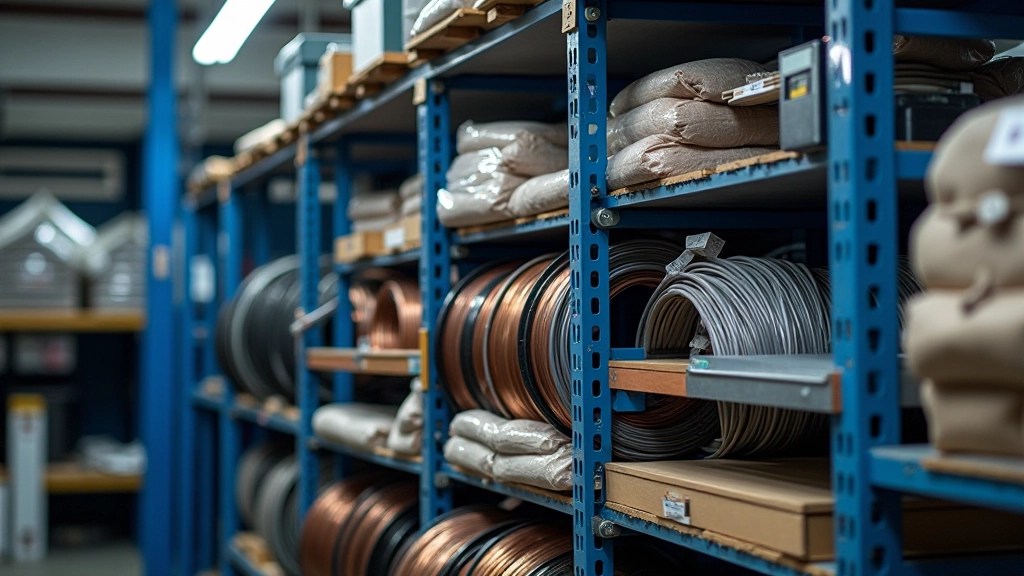
You negotiated a great bulk order price. Then you store the wire wrong and it absorbs moisture. Now you've got porosity problems in your welds, you're scrapping parts, and you've lost the entire savings. We're not exaggerating — this happens.
Proper storage isn't complicated but it's non-negotiable. Wire and electrodes need to stay dry. Humidity above 65% starts degrading flux. Temperature swings cause condensation. So your storage space needs three things: climate control (65-75°F, under 60% humidity), desiccant packs or a dehumidifier, and organization so you're using older stock first.
If you're buying bulk, you're investing in storage infrastructure. A good cabinet with humidity control costs maybe €400-600 but protects thousands of euros in consumables. That's part of your cost calculation. Cheap storage means expensive waste.
Also, don't open sealed wire packages until you need them. Once you open a spool, it's exposed to ambient humidity. Use it within a week or two. Keep unopened spools sealed. For electrodes, they'll actually tell you on the packaging — low-hydrogen rods need even more careful storage. Follow the recommendations.
Cost optimization for wholesale consumables isn't about finding the cheapest supplier. It's about structuring your purchasing so you get reliable material at fair prices while maintaining the quality your customers expect. That means knowing your actual consumption, evaluating suppliers properly, negotiating from a position of data, and protecting your investment through proper storage.
Start with one supplier relationship. Build trust. Establish regular monthly orders. Then negotiate better pricing once you've proven you're a reliable customer. It takes a bit longer than chasing rock-bottom prices, but you'll spend less time fixing weld defects and dealing with supply chain headaches. That's the real savings.
And remember: the cheapest consumables are the ones you don't have to scrap. Build your sourcing strategy around reliability and quality first. The pricing will follow.
This guide is provided for informational purposes to help metalwork shops understand general principles of wholesale consumable sourcing. Specific purchasing decisions, supplier agreements, and cost negotiations should be based on your individual shop's needs, local market conditions, and supplier capabilities. veltrshore does not provide procurement advice or recommendations for specific suppliers. Always verify material specifications, storage requirements, and supplier credentials independently before making purchasing commitments.

Editorial Team
Written by the veltrshore editorial team, focused on practical, transparent guidance for welding consumable sourcing and metalwork operations.
A breakdown of wire diameter, material composition, and shielding gas compatibility. Learn what ER70S-2 actually means and when to use different wire types for different metals.
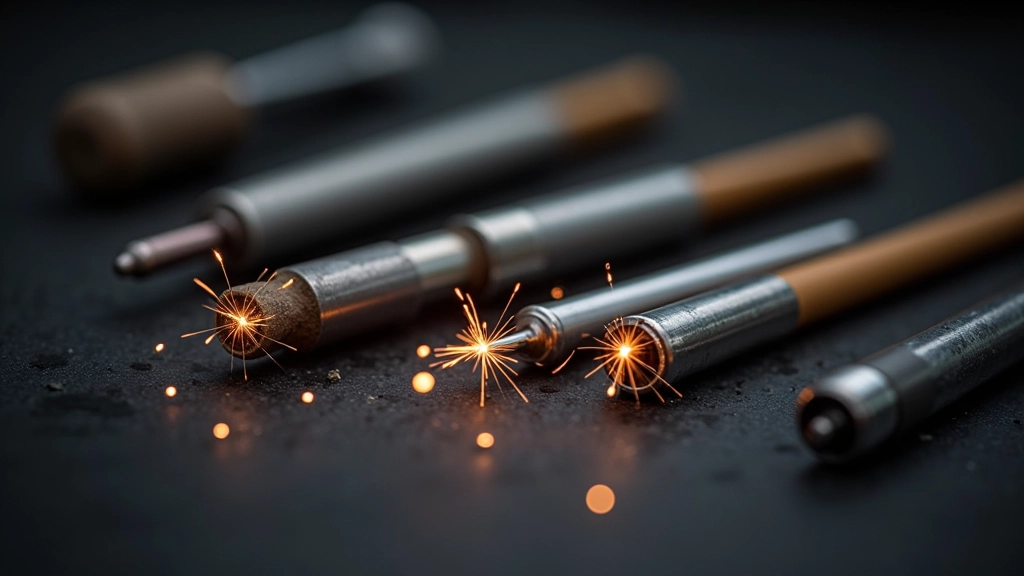
Different electrode types suit different metals and joining techniques. Learn why 6010 and 7018 electrodes behave differently and when to use each for structural work.

Humidity, temperature, and storage conditions directly affect consumable performance. Learn how to maintain material integrity from delivery to use on the job.